Unsure which suits your part in an fdm vs sla vs sls decision? Start with material: FDM prints thermoplastic filament, SLA uses resins, and SLS uses nylon. Then weigh surface quality, accuracy, cost and use.
This comparison is part of our wider guide to 3d printing for manufacturing.
| Item | Value |
|---|---|
| Technologies compared in the reference | 6 (FDM, SLA, SLS, MJF, Polyjet, SLM/DMLS) |
| Comparison criteria it names | 5 (materials, surface quality, accuracy, cost, application suitability) |
| FDM materials listed | 5 (PLA, ABS, TPU 95A, PETG, Tough PLA) |
| SLS materials listed | Nylon PA2200 and PA12 GF30 |
| Date of the reference page | 17 Oct 2020 |
These figures come from the iamRapid knowledge hub comparison, dated 17 Oct 2020. Material ranges and offerings can change, so check the source and your supplier before you rely on them.
How the three processes differ at a glance
The reference page compares six technologies, and it says each comparison reveals significant differences in materials, surface quality, accuracy, cost and application suitability. That list of five is a useful frame for any choice between these processes.
In terms of the materials each process is listed with, the picture is simple:
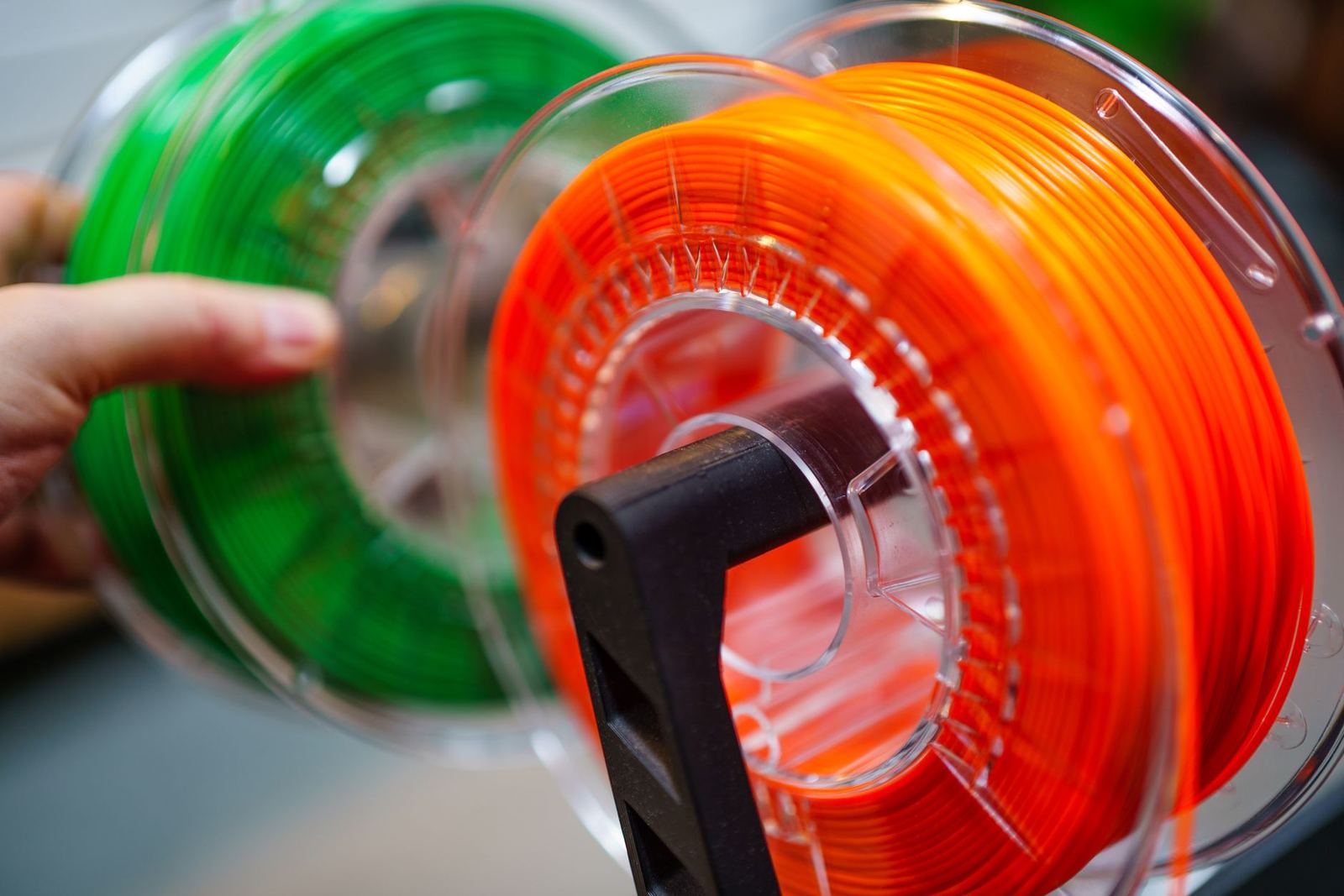
- FDM: thermoplastic filaments such as PLA, ABS, TPU 95A and PETG.
- SLA/DLP: resins, for example ABS-like Resin, Tough Resin, Castable Resin and Rigid Resin.
- SLS: nylon grades, namely Nylon PA2200 and PA12 GF30.
Start from the material your part needs. The process often follows from that, and the other four criteria then narrow the choice.
How does FDM build a part?
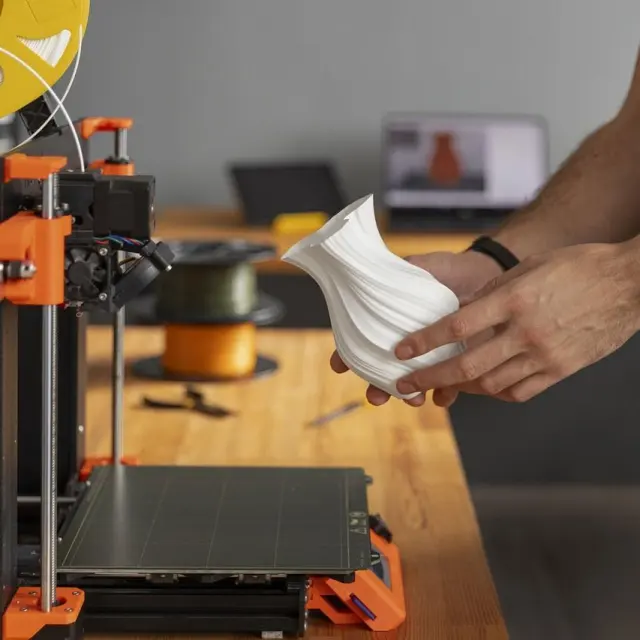
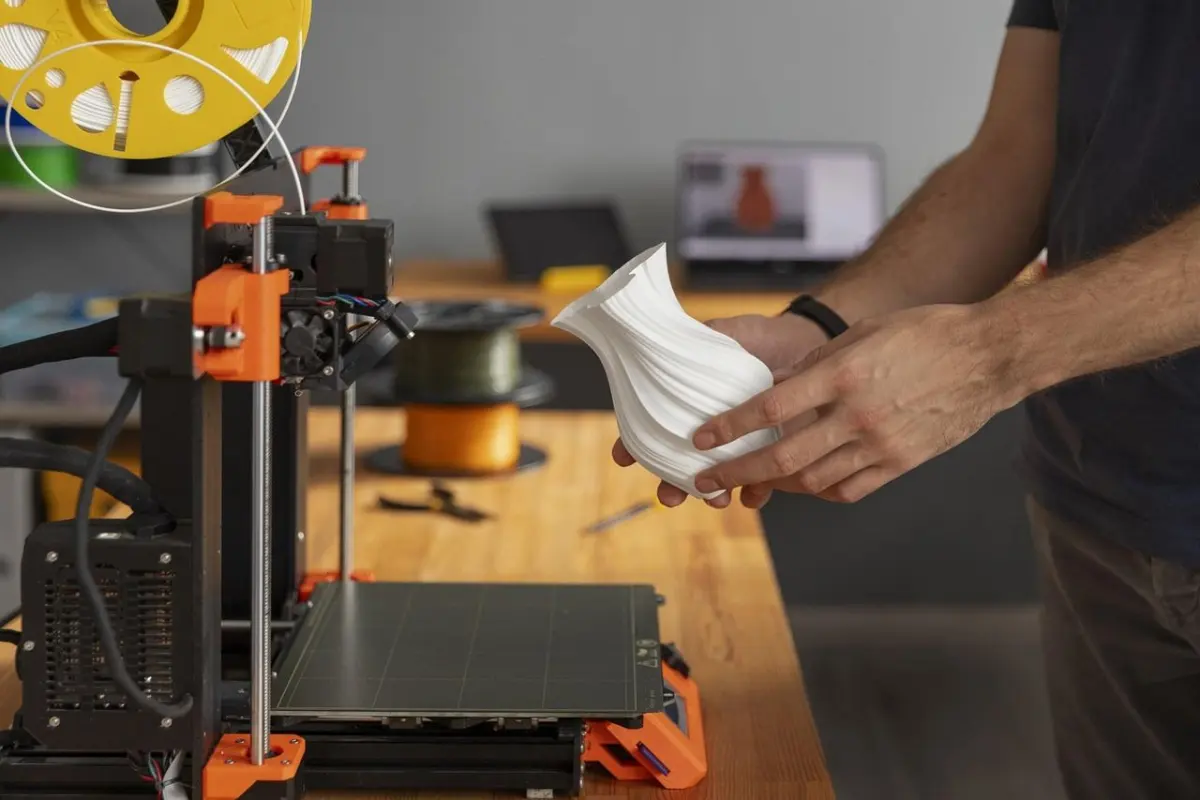
FDM, short for Fused Deposition Modelling, prints the model layer by layer, each layer on top of the one before. A thermoplastic filament is loaded into the printer, and a nozzle follows a set path to draw each 2D layer on the previous one.
The reference calls FDM widely known as the simplest form of 3D printing. It also describes the method as popular around the world because hobby users can afford it, and says most designers start their careers on it.
That makes FDM a natural first test for a shape or a fit check. Whether it is enough for a finished part depends on the surface quality and accuracy you need.
What materials does each process list?
Material names are the clearest facts the reference gives, so they are a sound place to begin. Here is how the listed materials split by technology.
- FDM: PLA, ABS, TPU 95A, PETG and Tough PLA.
- SLA/DLP: ABS-like Resin, Tough Resin, Castable Resin and Rigid Resin, plus a transparent option.
- SLS: Nylon PA2200 and PA12 GF30.
- MJF: HP Glass Filled Nylon and HP MJF Nylon PA12.
- Polyjet: Vero White and Tango Black Plus.
- DMLS: Aluminium ALSi10mg and Titanium Ti64ELI.
Notice the overlap between SLS and MJF, which both list nylon grades. If you are weighing those two against each other, the reference treats MJF as its own technology with its own benefits and limitations.
How to choose between FDM, SLA and SLS
Work through the five criteria the reference names, in this order:
- Material. Decide whether you need a filament plastic, a resin or a nylon, and check the exact grade on the supplier’s data sheet.
- Surface quality. Ask whether the part is seen, touched or hidden, and request a sample or photos of a comparable part.
- Accuracy. Note which dimensions matter, such as holes, mating faces and thin walls, and ask the supplier what tolerance they hold on them.
- Cost. Compare a quote for each process on the same file, at the quantity you actually need.
- Application. Match the choice to the job: a form check, a functional test or an end-use part.
The reference lists no tolerances or prices, so those two criteria need a quote or data sheet from whoever will make the part. Treat any single number you see online as a starting point only.
Where do MJF, Polyjet and metal printing fit?
The same reference also covers MJF, Polyjet and SLM/DMLS, so the choice is not limited to FDM, SLA and SLS. Polyjet is listed with Vero White and Tango Black Plus, and MJF with nylon grades.
Metals sit under DMLS in the reference, with an aluminium alloy and a titanium alloy listed. If your part must be metal, read our guide to metal 3d printing before you compare plastic processes.
Printing and machining can also work together. Our overview of hybrid manufacturing additive and subtractive explains how the two approaches can be combined on one part.
Frequently asked questions
Which of FDM, SLA and SLS is simplest to start with?
Show answer
The reference page, dated 17 Oct 2020, calls FDM the simplest form of 3D printing and says most designers start there. It also says hobby users can afford it.
Which materials does SLS list?
Show answer
The reference lists Nylon PA2200 and PA12 GF30 under SLS. MJF is listed separately, with HP Glass Filled Nylon and HP MJF Nylon PA12.
Can FDM, SLA or SLS print metal?
Show answer
In the reference, metals appear under DMLS, with Aluminium ALSi10mg and Titanium Ti64ELI. FDM, SLA and SLS are listed with plastics, resins and nylons instead.
Where do I find accuracy and cost figures?
Show answer
The reference does not give them in the text reviewed here. Ask the supplier for a data sheet and a quote on your own file.