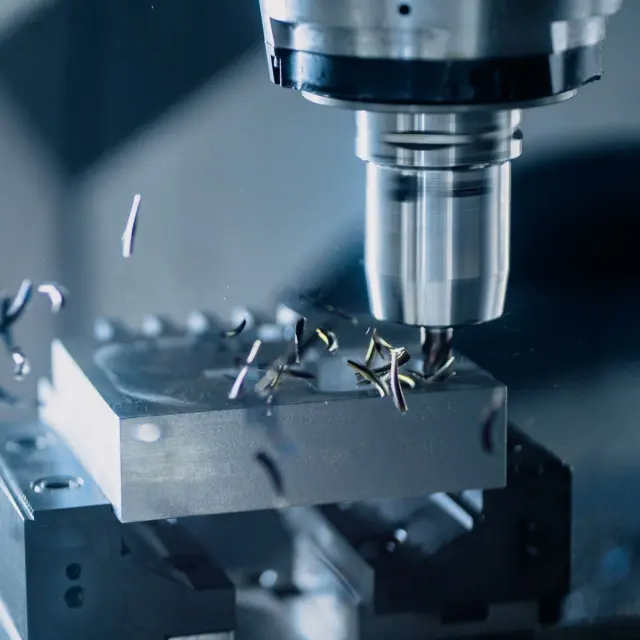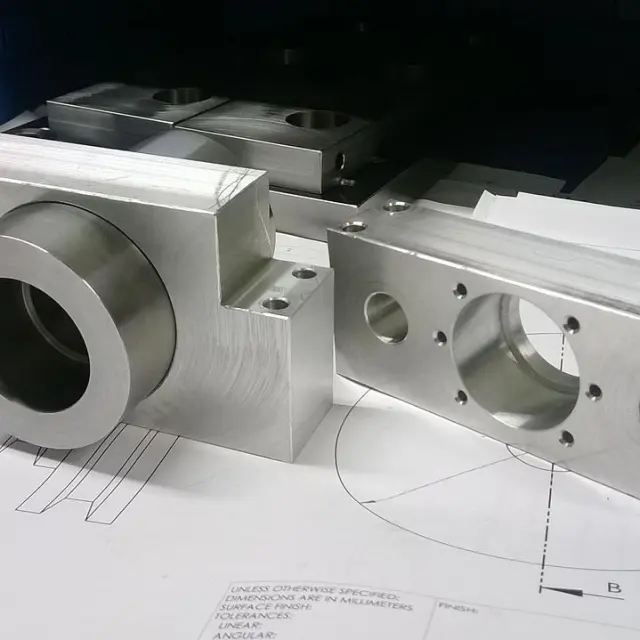
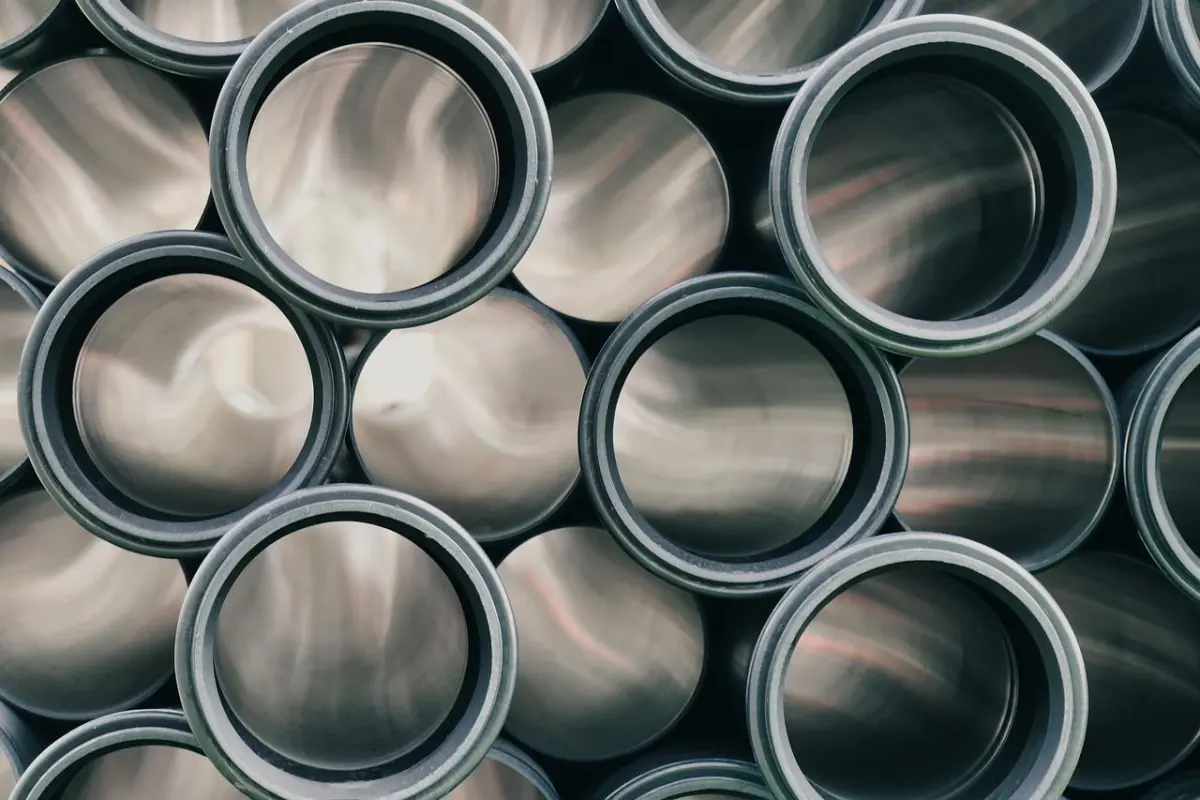
Choosing cnc machining materials can feel like guesswork when a part must be strong, light or cheap. Start with the job: aluminum 6061 is the usual default, and steel, stainless, copper alloys or plastics take over when the job demands it.
This guide is part of a wider look at precision cnc machining, where material choice is one of several decisions that shape a part.
| Material | Key fact |
|---|---|
| Aluminum 6061 | Most commonly employed CNC machining material, at an affordable cost compared to other metals |
| Stainless steel 304 | Most common stainless steel alloy used in CNC machining |
| Mild steel 1018 | Most frequently employed mild steel alloy in CNC machining |
| Tool steel D2 | Maintains hardness up to 425°C |
| POM (Delrin) | Most affordable plastic, with great machinability |
These rankings come from Dassault Systèmes’ guide to selecting CNC material. Figures and rankings like these can change, so check the source before you rely on them.
How do you choose cnc machining materials?
The Dassault Systèmes guide breaks the decision into three steps. Working through them in order keeps you from falling for a material just because it is familiar.
- Define the requirements. Common types include thermal, surface finish, mechanical and cost, and you should also factor in the environment the part works in and the other parts it must work with.
- Build a short list. Keep the materials that satisfy most, if not all, of those requirements.
- Decide. You may need to forgo one or more preferences to pick the best fit overall.
A first filter is the material family. Parts needing more hardness, strength and thermal resistance use metals, according to the same guide.
Plastics are lighter and vary a lot in physical properties. They are most often preferred for electrical insulation and chemical resistance.
Aluminum alloys: the usual starting point
Aluminum alloys have great machinability and are very affordable compared to other metals, which is why they suit both prototyping and production, as the Dassault Systèmes guide explains. Four grades come up most often:
- 6061: a versatile alloy with great machinability and a desirable strength-to-weight ratio.
- 6082: quite similar to 6061, but used more in Europe because it meets British Standards.
- 7075: a great choice for lightweight aerospace parts, and it can be heat treated to increase its hardness and strength.
- 5083: stronger than most other aluminum alloys, with resistance to saltwater, so it suits marine, welding and construction parts.
Aluminum alloys are weaker and not as hard as steel. Anodization can be applied to give the aluminum a hard surface layer, per the same source.
For a neutral example of what a shop keeps on the shelf, the Xcentric Mold & Engineering stock list names aluminum 6061-T651 and 7075-T651.
Steels: mild, alloy, stainless and tool
Steel is not one material but several families. The Dassault Systèmes guide separates them by what they add to carbon steel and what they cost you in corrosion resistance.
Mild and alloy steel
Mild steels are very affordable, but they are vulnerable to damage from chemicals and corrosion. Grade 1018 is the most frequently employed mild steel alloy in CNC machining, because it is also very machinable and weldable.
Alloy steels have more alloying elements besides carbon, which increase durability and hardness. They are not chemical or corrosion resistant, and the two grades below differ on welding:
- 4140: durable and strong, and useful for a wide variety of applications except those requiring welding.
- 4340: weldable, and heat treatment can make it harder and stronger.
Stainless steel
The same guide lists five common stainless grades:
- 304: the most common stainless alloy in CNC machining.
- 316: similar mechanical properties to 304, with more corrosion resistance, especially in marine applications.
- 303: less corrosion resistance than 304 but very tough, with great machinability and common use in high-volume production.
- 17-4: can be precipitation hardened so that it is similar to tool steels.
- Duplex 2205: the highest strength of any of the stainless alloys.
Sources disagree on how easy stainless is to cut. The Dassault Systèmes guide says stainless alloys have great machinability, while RapidDirect’s materials guide says SS grades are difficult to machine compared with regular steel because of their toughness. Treat the specific grade as the deciding factor.
Tool steel
Tool steels are used to make tooling such as molds, dies and stamps. They must be heat treated to become hard and durable, and D2 can maintain hardness up to 425°C, as the Dassault Systèmes guide states.
Copper alloys, magnesium and titanium
Beyond aluminum and steel, RapidDirect’s materials guide covers four more metals. Each has a clear strength and a clear caution:
- Copper: good for medical applications thanks to its antimicrobial properties, but you can find it difficult to machine because of its softness, since it can stick to cutting tools.
- Bronze: an easy-to-machine alloy of tin and copper, durable and corrosion resistant, and suited to intricate components like bearings and gears.
- Magnesium: a lightweight metal that is easy to machine, but very flammable in powder form.
- Titanium: a hard metal with good biocompatibility and corrosion resistance.
The magnesium warning matters for shop practice, not just material choice. The guide says to be very careful when machining it for exactly that reason.
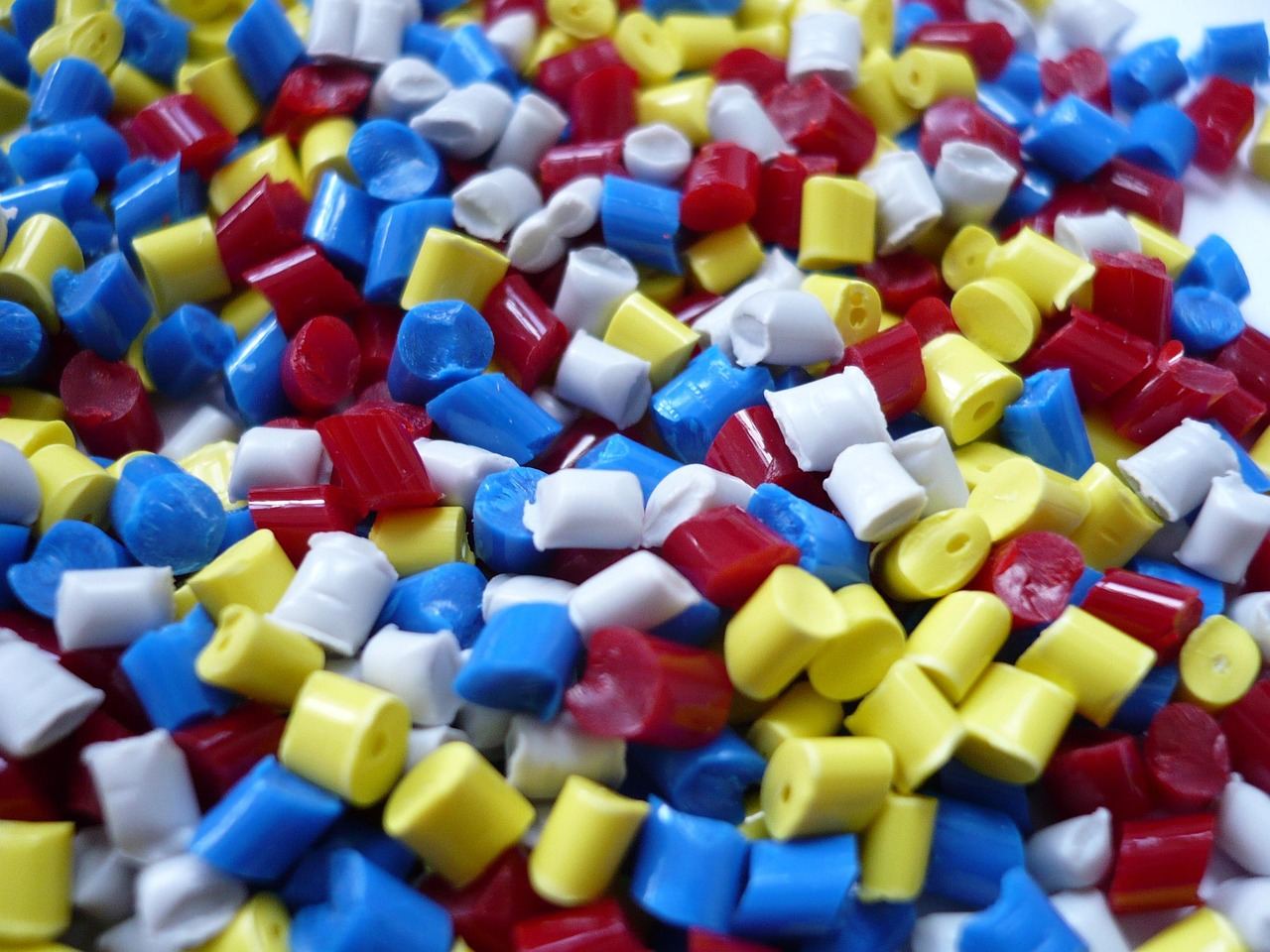
Plastics for CNC machined parts
Plastics are the usual pick when you need electrical insulation or chemical resistance, per the Dassault Systèmes guide. In that guide, POM (Delrin) is the most affordable plastic and offers great machinability.
Xometry Asia’s guide, dated Aug 19, 2020, lists these polymers among its machining options:
- ABS
- PMMA (acrylic)
- Acetal (Delrin, POM)
- Nylon
- PC (polycarbonate)
- PEEK (polyether ether ketone)
Pairing a material with the job
Once the requirements are written down, the short list often writes itself. These pairings come straight from the sources above:
- Lightweight aerospace parts: aluminum 7075.
- Saltwater exposure: aluminum 5083 or stainless 316.
- Tough stainless parts in high volume: stainless 303.
- Maximum hardness after heat treatment: tool steel or precipitation-hardened 17-4.
- Low cost and easy cutting: aluminum 6061, mild steel 1018 or POM.
Material is only one of several choices. Whether a part is milled or turned is a separate decision, and the comparison of cnc milling vs cnc turning explains it.
When you know the material, the next question is how precisely each feature must be made, and the guide to cnc machining tolerances walks through that.
Frequently asked questions
What is the most common CNC machining material?
Show answer
According to the Dassault Systèmes guide, aluminum 6061 is by far the most commonly employed CNC machining material, and it costs less than most other metals.
Which plastic is the cheapest to machine?
Show answer
The same guide names POM (Delrin) as the most affordable plastic, with great machinability.
Is stainless steel easy to machine?
Show answer
It depends on the grade and on who you ask. The Dassault Systèmes guide credits stainless 303 with great machinability, while RapidDirect says SS grades are difficult to machine compared with regular steel.
Which material suits marine or saltwater parts?
Show answer
The Dassault Systèmes guide points to aluminum 5083 for its saltwater resistance, and to stainless 316 for its extra corrosion resistance compared with 304.
Is magnesium safe to machine?
Show answer
It is easy to machine, but RapidDirect’s guide warns that magnesium is very flammable in powder form, so it calls for extra care.