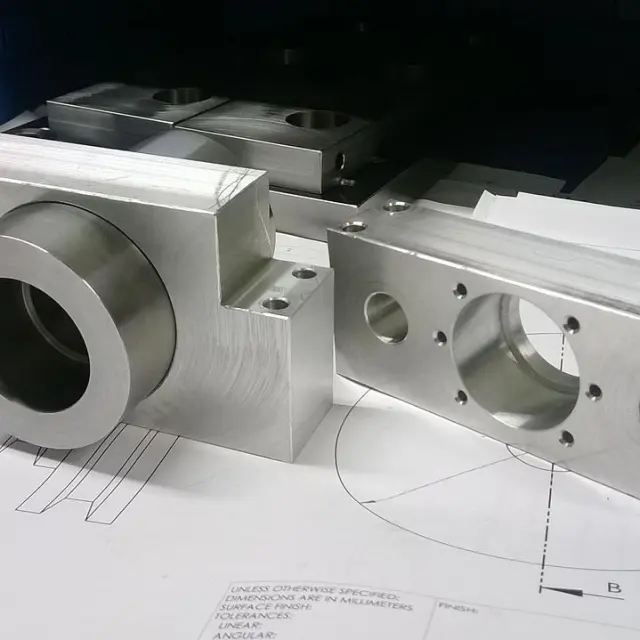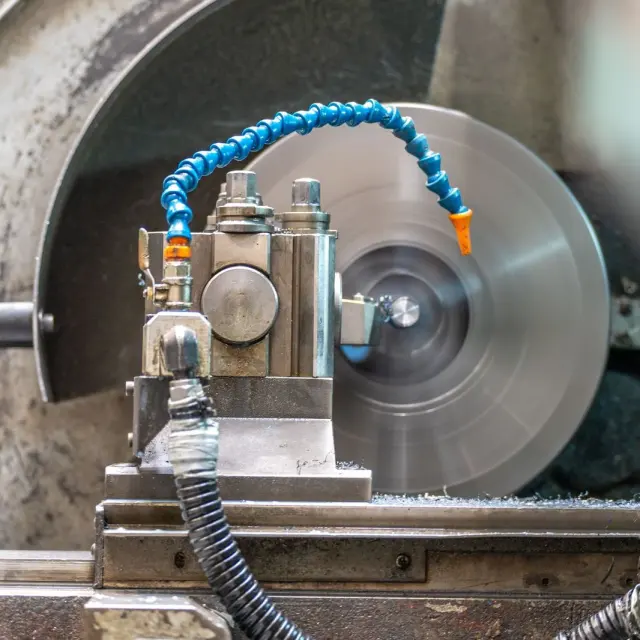
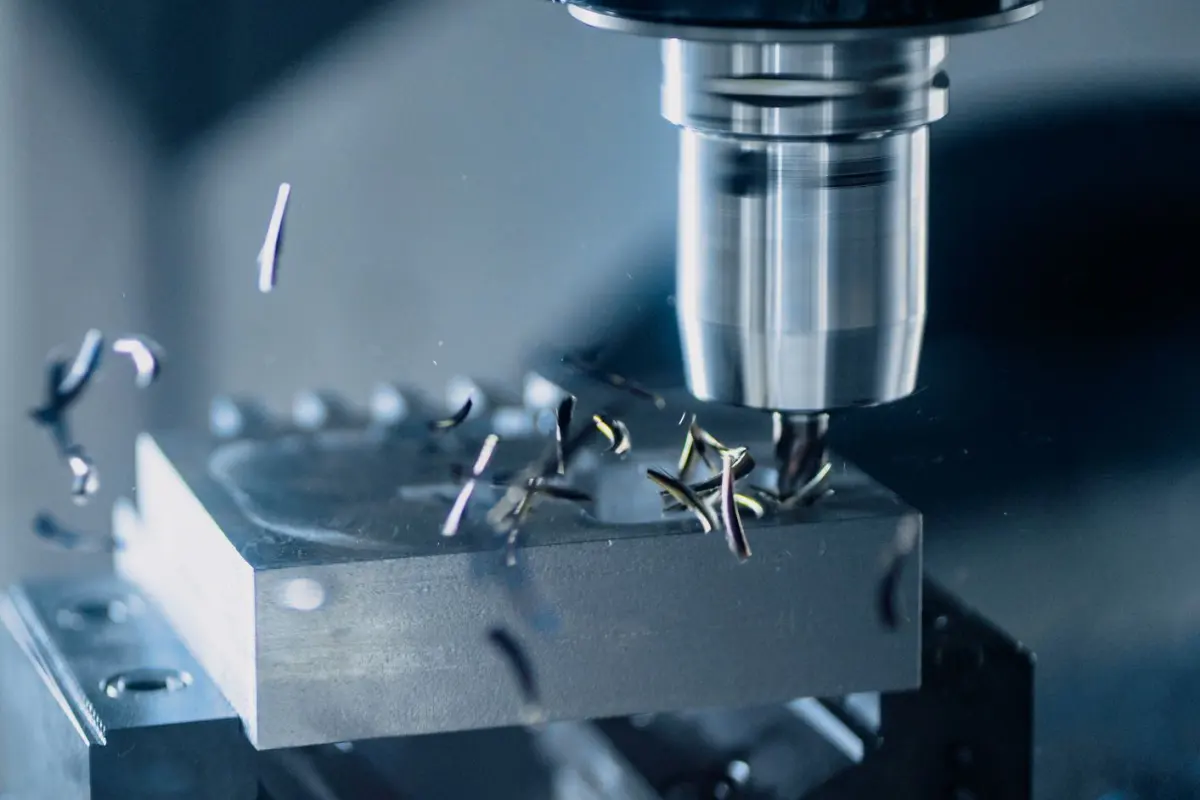
You want to know what makes precision CNC machining precise. In short, it is computer-controlled cutting held to tight tolerances, kept honest by measurement and process control rather than by the machine alone.
| Item | Value |
|---|---|
| US durable goods shipped by key discrete-part sectors, 1991 | Over $1089 billion |
| NIST report on precision in machining published | May 1995 |
| NIST precision machining workshop held | October 12, 1994 |
| NIST on-machine measurement report (publication date and length) | August 2019, 69 pages |
The numbers above come from NISTIR 5628 and NIST AMS 400-1. Figures can change or be superseded, so check the source before you rely on them.
What precision CNC machining actually is
Precision machining is ordinary cutting pushed to tighter limits on size and shape. A NIST report notes that traditional methods such as turning, milling and grinding changed only gradually over time, until numerical controllers and CNC machines accelerated the trend toward higher speed, flexibility, automation, complex geometry and precision (NISTIR 5628).
The same report says better precision depends on three things:
- A better understanding of machining processes.
- More accurate machine tools.
- Robust adaptive process control.
If you want the step-by-step flow from digital model to finished part, the guide to the cnc machining process walks through it. A separate guide on cnc milling vs cnc turning explains when each core operation suits a part.
Machine design matters too. NIST observes that advances in machine tool configurations make it possible to cut more complex geometries in one setup, which raises throughput, agility and accuracy. Multi-axis machines are covered in the 5 axis cnc machining guide.
Why tighter tolerances matter
Tight limits are not a vanity target. NIST lists the reasons that tighter tolerances are required (NISTIR 5628):
- Interchangeability of parts.
- Automatic assembly.
- Miniaturization and integration.
- Design simplicity.
- Improved performance and reliability.
The stakes are large. The report puts the 1991 value of shipments of durable goods from the key US discrete-part sectors at over $1089 billion, covering products from aircraft and automobiles to appliances and all the components inside them (NISTIR 5628).
How limits are chosen, written and checked is the subject of cnc machining tolerances. For general tolerances on linear and angular dimensions, a standards overview from Werk24 points to ISO 2768.
How measurement keeps parts accurate
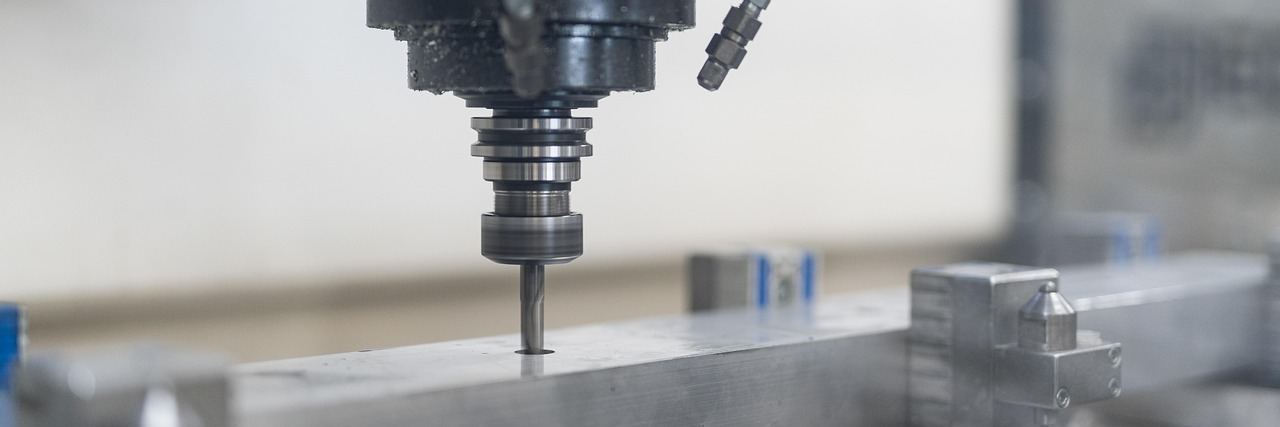
A machine cannot hold tight limits if nobody knows where it actually cuts. The 1995 NIST report says technology and manufacturing leaders see in-process measurement and control as the key technology for machining competitiveness, and that the importance of metrology to manufacturing precision cannot be underestimated (NISTIR 5628).
The August 2019 NIST AMS 400-1 report sorts on-machine measurement use cases by timing. Examples it names include:
- Pre-process: calibrating the machine tool before operation on stock or on the part, qualifying tool setting systems, and measuring jigs and fixtures.
- In-process: performing process monitoring and control, and storing process status for traceability.
- In-process-intermittent: measuring features on the part with a probe on a CNC machine tool spindle.
An earlier NIST report from October 2001 shows why this pays off. It states that the machine tool itself has been proven to be a practical measuring instrument, and it describes intermittent gauging directed by the controller (NISTIR 6811).
That gauging detects only errors due to tool setting, tool wear, tool deflection or part deflection. Errors caused by machine tool geometry are found only by inspection independent of the machine, so both checks have a place (NISTIR 6811).
The method then adjusts the tool path to compensate for errors anticipated in the finish cut. The authors validated it on a prototype system using Process-Intermittent Error Compensation Software on a turning center (NISTIR 6811).
Materials, flexibility and process choices
NIST says the increased use of advanced materials is spurring the growth of emerging processes (NISTIR 5628). What each material means for tooling, tolerance and cost is the topic of cnc machining materials.
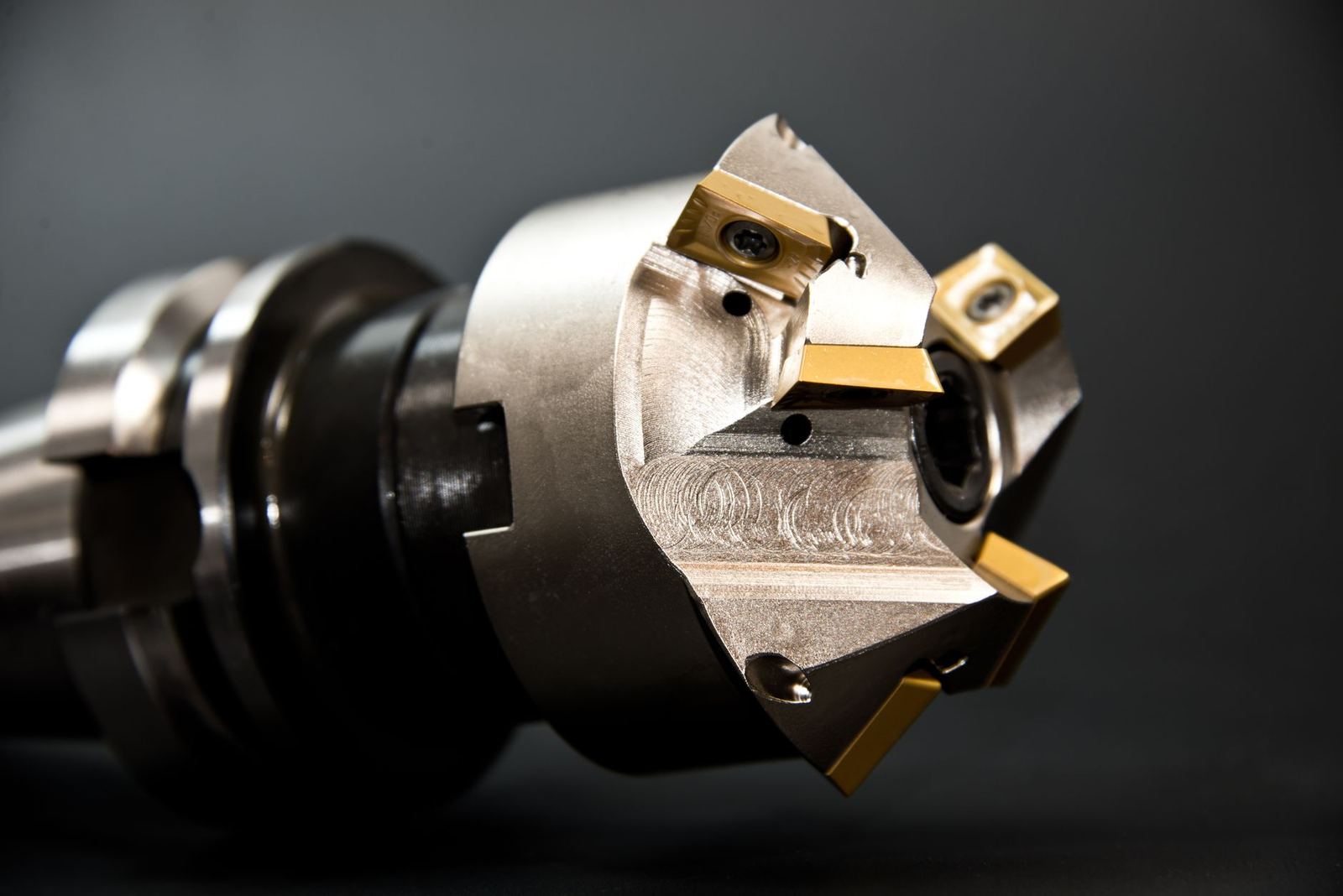
The contents of that report list several emerging processes, among them:
- High-speed machining.
- Hard cutting.
- Thermally assisted machining.
- Dry machining.
- Ultrasonic machining.
- Ultraprecision machining.
- Material increase manufacturing and ductile-regime grinding.
The report also links the faster pace of new products and models to a search for manufacturing flexibility. It describes a shift from dedicated machinery to multi-purpose CNC machining centers, with modular tooling and fixturing enabling rapid changeover (NISTIR 5628). That same flexibility is what makes cnc prototyping practical.
Additive methods are a different route to a part. The guide on 3d printing for manufacturing compares them with cutting.
Drawing standards: ISO GPS and ASME Y14.5
A tolerance is only as clear as the drawing that carries it. A 2023 paper in Metrology and Measurement Systems finds that the ISO GPS and ASME GD&T systems sometimes use identical graphical notation to set different measurands, and that each drawing shall list the standard it was made to (Humienny and Zdrojewski).
The paper also describes a difference in default philosophy. ISO GPS standards prefer to set production as cheaply as possible, while ASME puts stress on controlling product geometry more strictly, which is sometimes unnecessary (Humienny and Zdrojewski).
On editions, the December 2024 Werk24 comparison describes Y14.5-2018 as the current version of ASME Y14.5. Check the standards body before assuming a drawing follows that edition.
The same Werk24 overview lists these ISO standards among its primary ones:
- ISO 2768: general tolerances for linear and angular dimensions.
- ISO 1101: geometrical tolerancing of form, orientation, location and run-out.
- ISO 1302: indication of surface texture.
Surface texture callouts connect directly to cnc surface finishes. If you are drawing a part yourself, the cnc design guidelines cover how to make features easier to cut and measure.
How precise should your part really be?
Precision has a price. NIST’s report includes a section on precision and cost, with tables on the approximate costs of various surface finishes and on the benefits and costs of improved precision (NISTIR 5628). The practical lesson is to tighten only what function demands.
A simple way to decide:
- Identify which features need tight limits for fit, assembly or reliability.
- Name the drawing standard so every party reads the callouts the same way.
- Ask how each critical feature will be measured, on the machine or off it.
- Check what drives the price in the guide to cnc machining cost factors.
Frequently asked questions
What is precision CNC machining?
Show answer
It is computer-controlled machining held to tight tolerances. NIST ties better precision to process understanding, accurate machine tools and adaptive process control (NISTIR 5628).
Is in-process measurement necessary?
Show answer
NIST’s 1995 report says leaders see in-process measurement and control as the key technology for machining competitiveness (NISTIR 5628). Its 2001 report adds that process-intermittent gauging catches tool setting, tool wear and deflection errors, but not machine geometry errors (NISTIR 6811).
Do ISO and ASME drawings always mean the same thing?
Show answer
No. A 2023 paper shows that identical graphical notation can set different measurands, so the standard named on the drawing matters (Humienny and Zdrojewski).
Which ASME Y14.5 edition is the latest?
Show answer
As of the December 2024 Werk24 guide, Y14.5-2018 is described as the current version. Check the standards body for any later edition (Werk24).